
What is Thermography Testing?
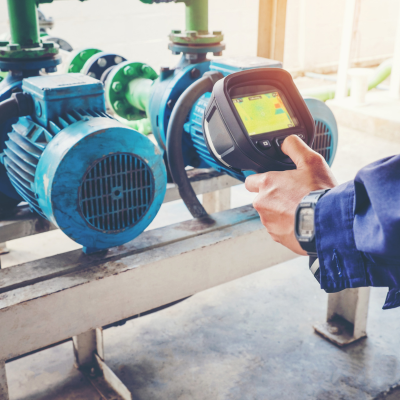
Thermography Testing, also known as Infrared Thermography (IRT), is a non-invasive, non-contact diagnostic technique that uses infrared cameras to identify abnormal heat patterns in electrical and mechanical systems. These thermal patterns reveal early signs of equipment stress, loose connections, insulation breakdown, and other hidden issues that are often invisible to the naked eye.
By detecting faults before they lead to costly breakdowns or safety hazards, Thermography Testing ensures the reliability, safety, and efficiency of your critical infrastructure.
Why is Thermography Testing Important?
Electrical and mechanical systems naturally generate heat during operation. However, excessive or abnormal heat is often an indication of underlying problems such as overloading, wear and tear, or poor connections. Ignoring these signs can lead to serious failures, fire risks, and operational downtime.
• Thermography Testing is important because it:
• Detects hidden problems before they escalate into major failures.
• Prevents electrical fires and safety hazards.
• Supports preventive and predictive maintenance strategies.
• Minimizes downtime and operational disruptions.
• Extends the life of critical assets.
Why Electrical Safety Audits Are Important
Benefits of Thermography Testing
Early Fault Detection
Identifies problems like loose connections, overloaded circuits, and insulation failures before they become critical.
Enhanced Safety
Detects potential fire hazards and overheating equipment to protect personnel and property.
Non-Destructive and Live Testing
Performed without shutting down operations, ensuring zero disruption.
Improved Reliability
Increases equipment uptime and ensures smooth operations.
Reduced Downtime and Costs
Prevents unexpected breakdowns and lowers emergency repair costs.
Regulatory Compliance
Supports safety audits and helps organizations meet industry standards.
Scope of Thermography Testing
Our Thermography Testing service covers a wide range of applications, including:
• Electrical panels, switchgear, and distribution systems.
• Transformers, circuit breakers, and fuses.
• Motors, pumps, and generators.
• HVAC systems and mechanical equipment.
• Power cables, busbars, and connections.
• Industrial plants, commercial facilities, and high-rise buildings.
All inspections are carried out while the system is live and in operation, making it one of the safest and most efficient diagnostic methods available.